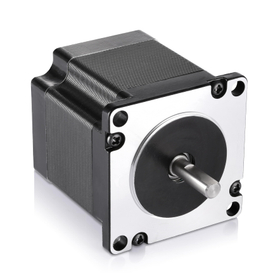
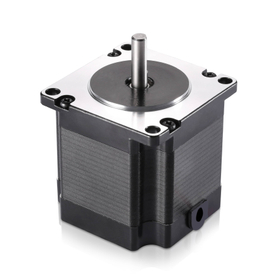
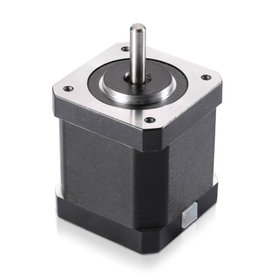
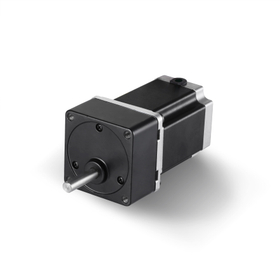
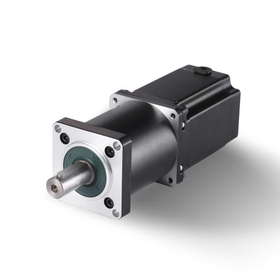
Technical explanation of flow control and automatic valves. There is a track record of using electric actuators for opening and closing control and motors for fluid control lines.
"Valves" are responsible for fluid control such as water, oil, gas, chemicals, and powders in factory equipment, various plants, water treatment, semiconductor, and food manufacturing lines. Depending on the application and fluid characteristics, a variety of structures are used, including butterfly valves, ball valves, globe valves, diaphragm valves, and sanitary valves. The transition from manual valves to "electric automatic valves (electric actuator)" is essential for labor-saving, high-precision flow control, and remote monitoring. When selecting electric valves, important technical elements include the "tightening torque (operating torque)" that moves the valve body, prevention of water hammer caused by rapid closure, "sealability (selection of seat material)" to prevent fluid leakage, and "flow proportional control" through fine opening adjustments. Particularly in high-viscosity liquids or fluids containing solids, measures against overload during valve jamming and high torque retention are challenges. While Kuru Co., Ltd. is not a manufacturer of valves themselves, they have a track record of using their own products as "opening and closing actuators" to drive various valves and as motors for the piping lines before and after.



![[Piping, Automatic Valves, Valve Technology] Motor for Electric Opening and Closing Actuators](https://image.mono.ipros.com/public/product/image/2131536/IPROS12711706789125445879.jpg?w=280&h=280)